
Indica Cannabis: Exploring Popular Flower Options and Varieties
Explore indica cannabis varieties, characteristics, and consumer preferences.
Cannabis flower continues to be one of the most recognizable product formats, with consumers exploring different varieties based on aroma, appearance, cannabinoid profiles, and personal preferences. Among the established categories, Indica has remained a familiar term for shoppers interested in exploring cannabis flower varieties. Understanding how these products are categorized, what characteristics distinguish different cultivars, and how modern dispensaries present their selections can make flower discovery more organized and informative.
Jump To
- Jump To
- Jump To
- Jump To
- What Defines Indica Cannabis Flower?
- Why Do Consumers Explore Indica Varieties?
- What Should You Look for in Indica Flower?
- How Do Terpenes Add Variety?
- Are Modern Indica Products Always Pure Indica?
- How Can Online Dispensaries Make Variety Easier to Explore?
- Why Is Product Information Important?
- How Is the Indica Category Evolving?
- Conclusion
Jump To
- Jump To
- Jump To
- What Defines Indica Cannabis Flower?
- Why Do Consumers Explore Indica Varieties?
- What Should You Look for in Indica Flower?
- How Do Terpenes Add Variety?
- Are Modern Indica Products Always Pure Indica?
- How Can Online Dispensaries Make Variety Easier to Explore?
- Why Is Product Information Important?
- How Is the Indica Category Evolving?
- Conclusion
Jump To
- Jump To
- What Defines Indica Cannabis Flower?
- Why Do Consumers Explore Indica Varieties?
- What Should You Look for in Indica Flower?
- How Do Terpenes Add Variety?
- Are Modern Indica Products Always Pure Indica?
- How Can Online Dispensaries Make Variety Easier to Explore?
- Why Is Product Information Important?
- How Is the Indica Category Evolving?
- Conclusion
Jump To
- What Defines Indica Cannabis Flower?
- Why Do Consumers Explore Indica Varieties?
- What Should You Look for in Indica Flower?
- How Do Terpenes Add Variety?
- Are Modern Indica Products Always Pure Indica?
- How Can Online Dispensaries Make Variety Easier to Explore?
- Why Is Product Information Important?
- How Is the Indica Category Evolving?
- Conclusion
What Defines Indica Cannabis Flower?
Indica is traditionally associated with cannabis plants that developed in regions such as South and Central Asia. Historically, these plants were often characterized by shorter structures, broader leaves, and relatively compact flowering patterns.
Modern cannabis cultivation has introduced extensive hybridization, so the traditional distinction between indica and sativa is not always a precise indicator of a product’s chemical profile. Today, consumers often benefit from looking at the complete product information rather than relying on a category label alone.
Why Do Consumers Explore Indica Varieties?
Different cannabis flower varieties offer distinct combinations of aromas, flavors, appearance, and cannabinoid content. Consumers interested in indica-labeled products may enjoy exploring the diversity found within this broad category.
Some varieties are recognized for earthy or herbal aromatic profiles, while others may feature sweet, fruity, spicy, or floral characteristics. This diversity gives consumers numerous options when exploring flower based on sensory preferences.
The variety within the category is one reason it remains an important part of cannabis product discovery.
What Should You Look for in Indica Flower?
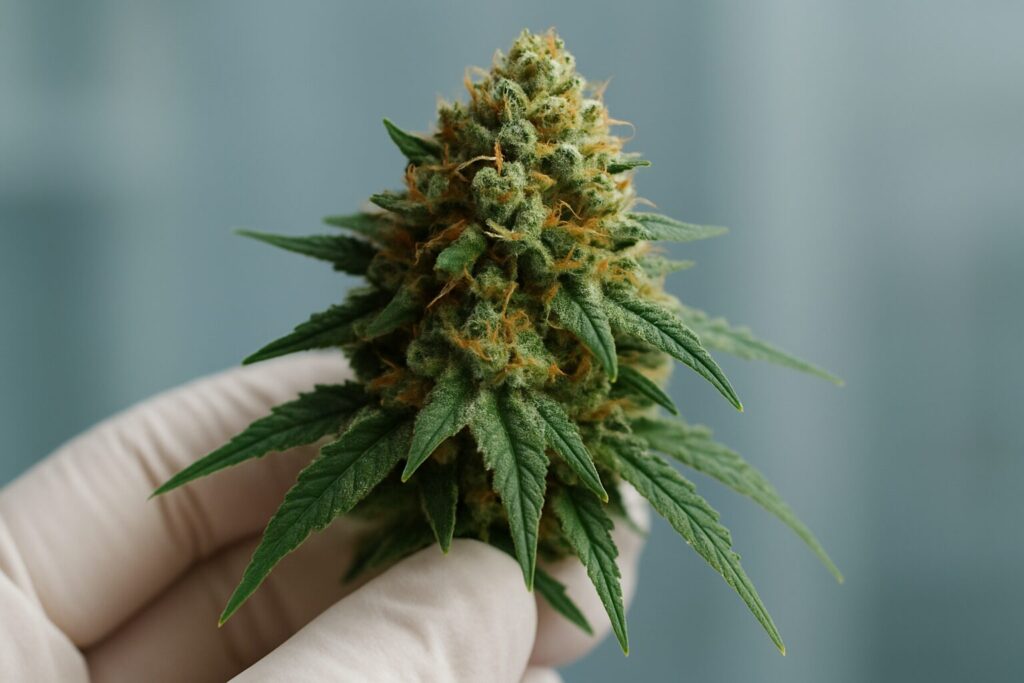
Several characteristics can help consumers understand a cannabis flower product. Appearance, aroma, cannabinoid information, terpene details, and cultivation information can all contribute to a fuller product profile.
Trichome coverage is another visible characteristic commonly associated with quality cannabis flower. These small structures contribute to the plant’s resin and contain cannabinoids and aromatic compounds.
Reviewing multiple product details provides a more complete picture than focusing on a single characteristic.
How Do Terpenes Add Variety?
Terpenes contribute significantly to the aromatic and flavor profiles found in cannabis. Different combinations can produce noticeably different sensory experiences from one flower variety to another.
For example, some products may feature citrus-oriented aromas, while others can have earthy, pine-like, floral, or spicy notes. Examining terpene information can therefore add another useful layer to flower discovery.
This also helps explain why two products within the same broad category can have very different profiles.
Are Modern Indica Products Always Pure Indica?
Modern cannabis genetics are highly diverse. Many products described using indica terminology are hybrids that contain genetics associated with both traditional indica and sativa lineages.
As a result, the indica label is best viewed as one piece of product information rather than a complete description of the flower. Cannabinoid percentages, terpene profiles, cultivar names, and laboratory information can provide additional context.
This modern approach gives consumers a broader understanding of cannabis varieties.
How Can Online Dispensaries Make Variety Easier to Explore?
Digital dispensaries can organize cannabis flower into categories that make product discovery more efficient. Consumers can browse different varieties, review product descriptions, and examine available information without depending entirely on physical displays.
A structured online catalog also makes it easier to discover products with different aromas, cannabinoid profiles, and cultivation characteristics.
Kush Station Online Dispensary Canada provides an online environment where consumers can explore a range of cannabis products and flower selections.
Why Is Product Information Important?
Detailed product information helps consumers understand the differences between available selections. Clear descriptions can highlight relevant characteristics while cannabinoid and terpene information can provide additional context.
Consistent presentation across an online catalog also supports easier browsing. Consumers can review several flower products using similar information, creating a more organized discovery process.
How Is the Indica Category Evolving?
The modern cannabis market has moved toward increasingly diverse genetics and product profiles. Traditional categories remain useful for familiar product discovery, but contemporary cultivation has created many varieties that combine characteristics from different lineages.
This evolution gives consumers more flower options and encourages a broader approach to product research.
Conclusion
Indica cannabis remains a recognizable category within the flower market, offering consumers an extensive range of varieties and sensory profiles to explore. Modern products can differ considerably in genetics, cannabinoid content, terpene composition, aroma, and appearance. By considering these characteristics together and using organized online catalogs, consumers can explore cannabis flower more effectively and gain a clearer understanding of the variety available in today’s evolving cannabis market.
At a Glance
- Indica cannabis flower is traditionally associated with plants from South and Central Asia, characterized by shorter structures and broader leaves.
- Modern cannabis cultivation has led to extensive hybridization, making the traditional distinction between indica and sativa less precise in indicating a product’s chemical profile.
- Consumers exploring indica varieties enjoy different combinations of aromas, flavors, and cannabinoid content, contributing to the category’s importance in cannabis product discovery.
- Terpenes significantly influence the aromatic and flavor profiles in cannabis, with different combinations producing varied sensory experiences across flower varieties.
- Many modern products labeled as indica are actually hybrids containing both indica and sativa genetics, requiring consumers to consider multiple factors beyond just the label.
- Online dispensaries like Kush Station Canada facilitate easier exploration of cannabis varieties by categorizing products and providing detailed descriptions, including cannabinoid and terpene information.