
How to Stay Hydrated on the Annapurna Circuit Trek
Water, since keeping well hydrated is by far the single most important preventative measure to a safe and successful trek around the Annapurnas. The…
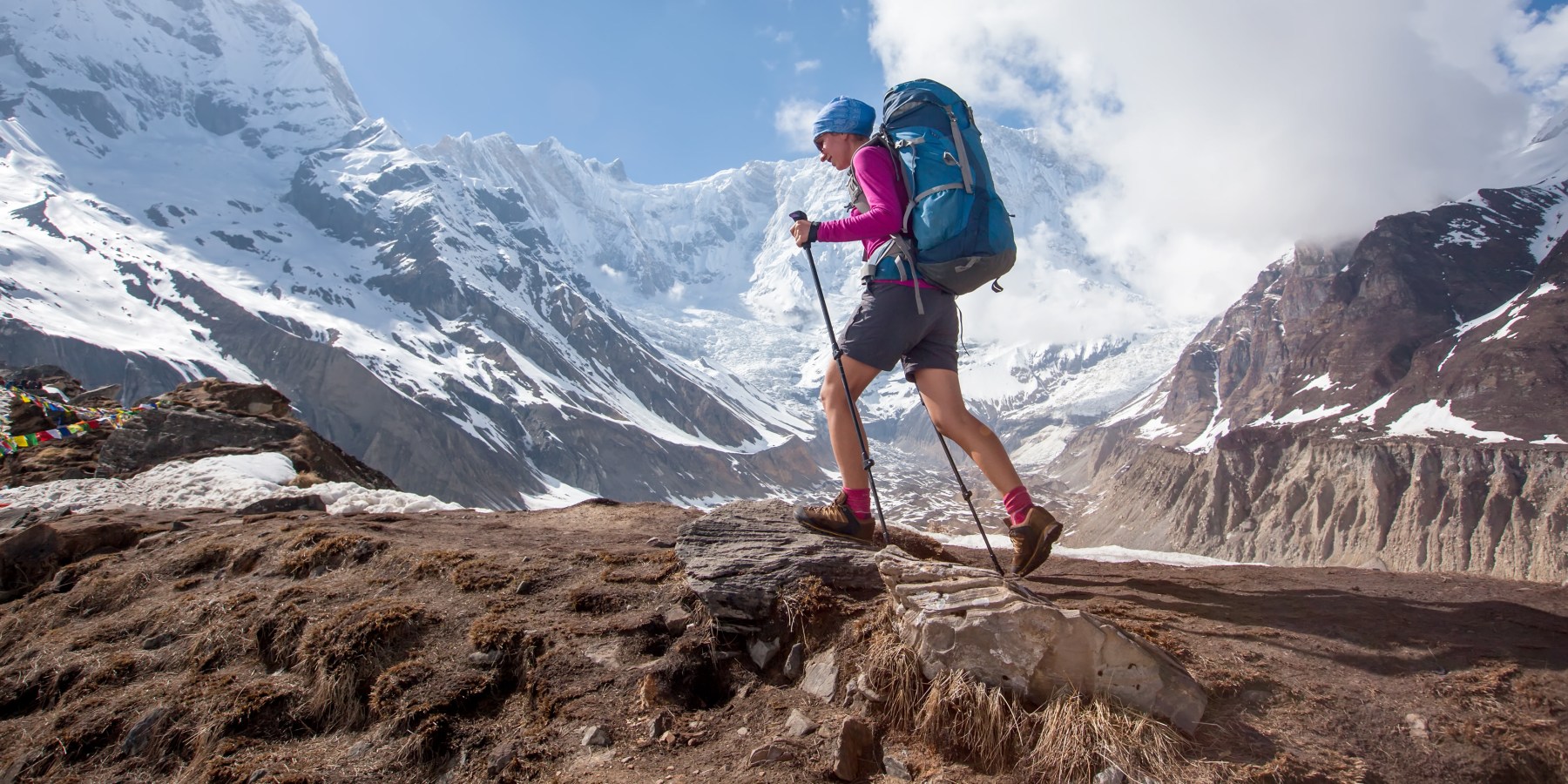
Water, since keeping well hydrated is by far the single most important preventative measure to a safe and successful trek around the Annapurnas. The stunning mountains, epic terrain, and rich culture are all the reasons you need to visit, but as we’ve established, the demanding distances and high elevation mean you’ve got to think about your hydration. Not only can dehydration suck up your energy, but it also will increase your odds of developing altitude sickness — a severe and life-threatening condition. Understanding where to locate potable water on the trek and having defined a clever hydration plan are important while planning the Annapurna round Trek.
Staying Hydrated is the secret to fending off Altitude illness.
Up high on the Annapurna Circuit trek, you breathe in thinning air that corresponds exactly to the amount of water your body is expelling with every breath. You’re also perspiring from the dry mountain air and losing that much more fluid. At higher elevations, your body is functioning in reduced oxygen levels, and dehydration further stresses your body. The symptoms of dehydration, which include headache and fatigue, can easily be mistaken for High Altitude Sickness (AMS), which means even when you’re in a legitimate emergency, you may now know until it’s too late. Staying well hydrated ensures that the body is given the best chance to acclimate, and to perform up from on punishing climb to the pass of Thorong La. One should carry 3-4 liters r water during does days & more for harder days.
The rubber-ducky-and-bunny effect and Why I Don’t Drink Bottled Water Here’s an excellent video about the robotic harm of water in bottles, but also, what to drink, and why!
Bottled water can be purchased at most teahouses and outlets on the Annapurna Circuit Trek. But it is expensive and damaging to the environment. The Price of a Bottle of Water is Expensive, despite filling stations being virtually everywhere around Kilimanjaro flying day. More seriously, the litter of plastic waste resulting from trekkers’ consumption of bottled water has now become a major ecological problem for the fragile ecosystem of the Himalayas. A lot of Annapurna trekkers are aware of this discomfort and wish to do a cheap Annapurna Circuit trek and take their own reusable water bottle. As simple as making that decision, and you owe it to the environment, and you will save a corresponding amount of money on your trip.
Safe and Secure Water Purification Techniques
If you wish to travel extremely cheaply, do not touch bottled water. How to treat water on the Annapurna Circuit. There are some good ways to treat water on the Annapurna Circuit trek.
Water Boiling: This is the most commonly used and easiest way in tea houses. p.35 Teahouse owners also provide, for a small sum, a refill of boiled water to consume. It’s the simplest way, and you don’t need any extra hardware on your end.
Water Purifier Tablets: Sold in chlorine or iodine, these lightweight little packets are a trekker’s best friend. They are easy — pop a pill into a bottle of water and wait the specified time for the pill to snuff out any dangerous micro-organisms. They are very dependable as a backup, if a little aftertasting.
Transportable Water Filters: A transportable water filter, such as Sawyer Squeeze or LifeStraw, is a shiny choice for trekkers. These water filter out structures get rid of bacteria and protozoa through the physical filtration procedure, resulting in easy, drinkable water. Easy, convenient, and zero chemical flavor. You surely could take a filter and fill it up with the many mountain streams, though not all filters are virus-safe.
UV Purifiers: These work by using ultraviolet to kill most living things that can make you ill (bacteria, viruses, and protozoa), and they are available in many models, like the SteriPEN. They are super fast and extremely effective (you can’t taste them). The principal downside of this pair is that the gloves are powered via batteries, which can drain quickly in chillier temperatures, so you’ll want to have a backup set available.
Strategic Hydration: The Path
And once you choose how you want to purify, super-smart hydration is key to your success on your Annapurna circuit trek itinerary. Do not drink only whilst you feel thirsty. Thirst is mostly a signal that you’re already dehydrated. So instead, focus on having tiny drinks of water when you can throughout the day. You could additionally need to place a bit of electrolyte for your water to make up for a number of the salts and minerals you lose through sweating and to help your body soak up the liquid. Soups and herbal teas, which you can discover everywhere in teahouses, are another first-rate way to stay hydrated, in particular at some point of the cool nighttime weather. Avoid alcohol and restrict caffeine, because both draw fluid from the body and can result in dehydration.
The position of responsible trekking
Choosing to treat your own water from the Annapurna Circuit Trekking taps is not just about self-comfort and health; it’s about healthy trekking in the Annapurna region. ‘We always advise the trekkers, you can fill up the bottles here in tea houses, and you try to refuse, limit the plastic use as much as possible because, especially in the trekking area, lots and lots of garbage you can see there’. Your choice to decline the offer of a bottle of water is an easy yet bold statement you are making toward the preservation of such a spectacular landscape for future generations of trekkers. Follow these hydration rules and be assured that your Annapurna Circuit will be as good ethically and physically as it can.