
Why Choosing to Provide First Aid Course Can Save Lives and Build Confidence
Emergencies don’t wait. They don’t knock politely; they just arrive—and suddenly the ordinary day isn’t ordinary anymore. In those minutes before…
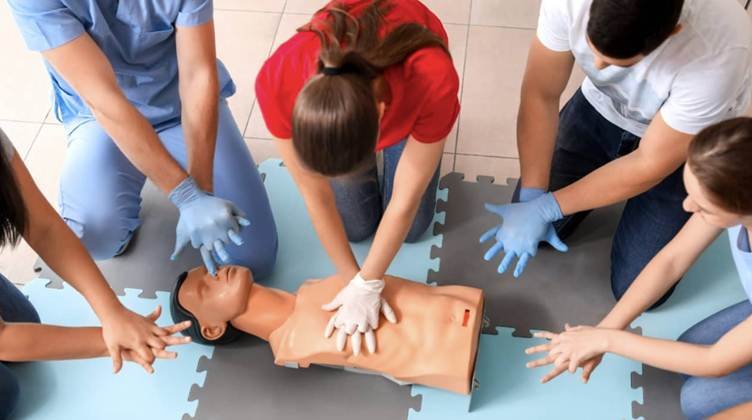
Emergencies don’t wait. They don’t knock politely; they just arrive—and suddenly the ordinary day isn’t ordinary anymore. In those minutes before the ambulance arrives, the smallest actions can be enormous. Choosing to provide first aid course options in workplaces, schools, and even in local clubs isn’t just about ticking a safety box. It’s about people. People are ready. People are not standing frozen when someone needs them most.
The Importance of Everyday Preparedness
Think about it. An accident at home, a fall at work, a fainting spell at a café. These things happen all the time. And if there’s no one nearby who knows what to do, minutes drag on painfully slowly. But if someone’s trained? They step in. A bandage, CPR, and keeping an airway open. Small actions—big difference.
And there’s something else. Training steadies nerves. When you know the steps, panic doesn’t rule you. Instead of chaos, there’s calm. And that calmness? It spreads to everyone else in the room.
Building Safer Workplaces and Schools
In a workplace, the benefits are obvious. One trained person could mean the difference between life and death. For employers, it’s not just about legal compliance—it’s about trust. Staff know they’re valued when their safety is invested in.
Schools too. Children scrape knees, bump heads, and sometimes worse. Allergies, asthma, playground tumbles. When teachers and staff have gone through programmes designed to provide first aid course training, parents feel reassured. More importantly, kids are safer.
Creating a Community of First Responders
Zoom out to the community. Picture a Saturday footy game. A player collapses. Who’s there to help? If several people are trained, the response is faster, more confident, and more effective. That’s the real impact—not one person, but many.
It doesn’t stop there. Someone who takes a course often shares the basics with family or friends. And just like that, more people in the community know something useful. It’s a ripple effect, and a powerful one.
Boosting Confidence and Reducing Fear
Why do so many people freeze when something serious happens? It’s fear. Fear of doing the wrong thing, of making it worse. Training cuts through that.
Courses don’t just hand out instructions; they let you practice. You get to try. You fumble, you learn, and you get better. Mannequins for CPR, role-plays, and scenarios that feel real. That’s what makes the knowledge stick. And afterwards? You walk away thinking, “I can do this if I have to.”
Mental Health First Aid: An Overlooked Element
When people hear “first aid,” most picture cuts, CPR, and choking. But there’s another layer—mental health. Someone having a panic attack, a colleague breaking down, a teenager showing signs of distress. These are emergencies, too, just less visible. Including mental health awareness in training helps people notice early signs and respond with care rather than confusion. It doesn’t replace professional help, of course, but it gives communities the tools to respond with empathy in those first critical moments.
The Long-Term Value of Training
First aid skills don’t fade into the background. They stay. They travel with people across jobs, households, and stages of life. A parent trained at work may use that knowledge years later at a family gathering. A young student who learns the basics could carry those skills into adulthood. The long-term value is clear: once learned, it’s hard to unlearn, and those skills may one day save a stranger or a loved one.
Conclusion:
No one expects disaster until it’s there. But being able to step in—that changes outcomes, changes lives. Workplaces, schools, families, whole communities—they all get stronger when more people are ready to act. The choice to provide first aid course opportunities is about more than skills. It’s about building confidence, removing fear, and creating a culture where help is never far away.